“I’d be obliged.” A harmless phrase, asking if someone could do something for you.
If they do what you asked, you might consider that you have an obligation to them in return. Perhaps you would give a small favour back, now, or later. Nothing serious… right?
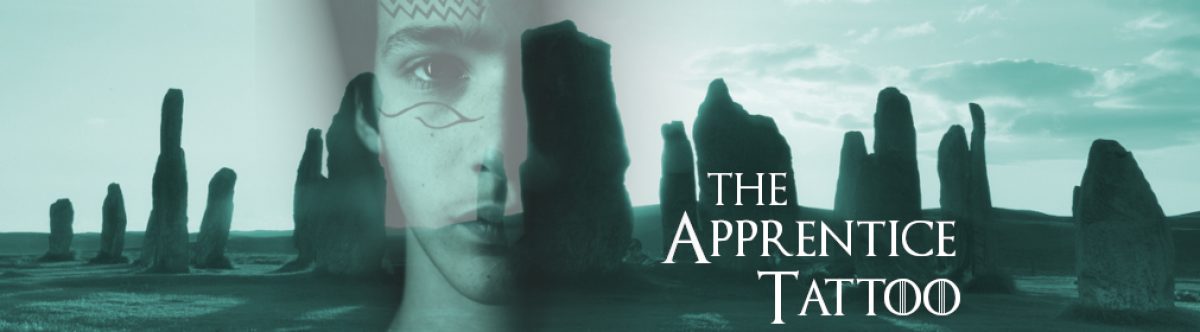
Now if we think back to the Neolithic, the setting for The Apprentice Tattoo, obligations would be much more serious things. There is no currency, just barter. If you take goods from someone, you give them something of equal value, or you have an obligation to them. If they save your life, do you owe them a life? Do you owe them your life?
Then there’s the understanding that travellers will be housed and fed if they turn up at your door. As always, the Greeks have a word for it. Xenia is the assumption that you will provide food, and house a stranger in your own home. He, or she, must return the favour, should you ever visit them.
I’ve imagined something similar for the tribes of ancient Britain. As Col and Talla travel the length of the country, every village takes them in and feeds them, giving them a warm bed for the night.
There’s an obligation on the visitor too, of course. They must behave in a way that doesn’t inconvenience their host.
When food becomes scarce, because of the changing weather, Col and Talla try to gauge if the hosts can afford to feed them, avoiding villages that seem to be struggling. They hunt instead of becoming a burden.
This tradition persists in many places, I’m sure. In the Highlands and Islands of Scotland, visitors to the house are always offered refreshment. Not just a cup of tea, but sometimes quite substantial snacks. Sandwiches, cakes and biscuits are offered, sometimes quite forcefully, to the visitor. It is impolite to refuse the food and drink offered. The host must feed you, you are obliged to eat!
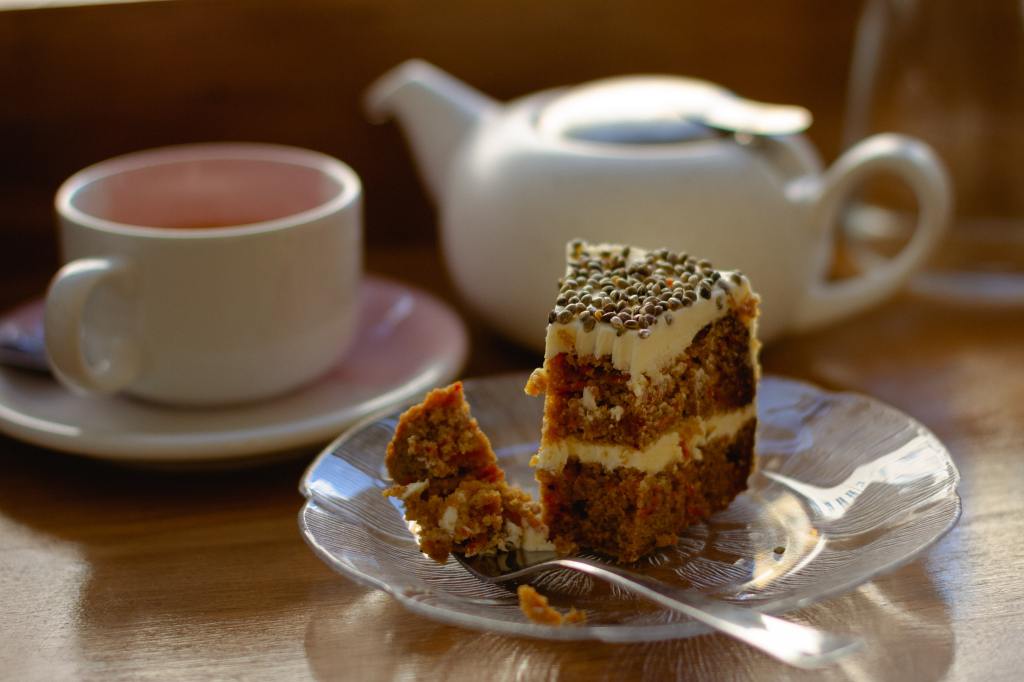
This was explained to me, many years ago, when I lived in Caithness. A visitor had probably travelled some distance to see you and, before the 1950s, had walked. After the visit, they must walk home… so you feed them.
There was a joke about incomers, mostly the English, that you would only get a ‘fly cup’ if you visited. In the north-east, a fly cup is tea served without a saucer, you’re not expected to be there long enough to put it down! That was considered poor hospitality.
Now, sit down at the table, and I’ll put the kettle on. I think we have a fruit cake and some scones. What will you have in your sandwich?
D J Eastwood
 The Apprentice Tattoo