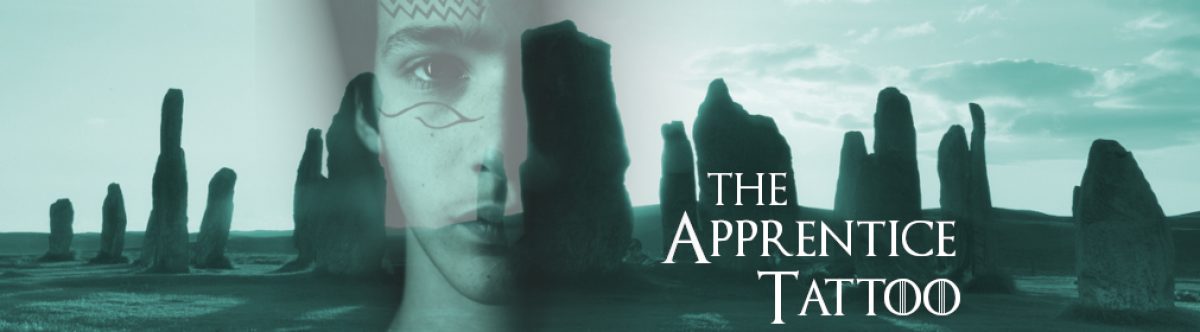
I write the stories I want to read. I enjoy the process, and I hope that the finished book brings enjoyment to somebody else. But the writing itself is a cathartic process.
I suffer from depression. It’s not a constant thing, mostly seasonal, and not nearly as bad as some others I’ve known, but it’s there. I can control it, mainly by taking vitamin D3 supplements and using a SAD lamp.

The thing is, on the bad days, when I don’t want to get up, or can’t be bothered to shower, I can write. It’s a process that gets my mind going, takes me away from my problems (real or imagined) into another world.
I can go from a cold bedroom, while the wind whistles outside, to a roundhouse in Neolithic Britain with my characters. The very best thing is that in that world, I’m in control. I tell the characters what to do next. I decide if they succeed or fail.
Now, I’m not suggesting that everyone should rush out and write a novel, though I’m sure many of you could. I’m suggesting that the process of writing something down helps.
My better-half had a hip replacement three years ago and went from being an active woman to being virtually bed-bound for much of the day. The worst thing, though, was the pain. Despite the success of the operation, she was in excruciating nerve pain, from historic spinal damage, for many months. Drugs helped a little, but when the pain was at its worst, she began writing a journal. All the things that she thought, but couldn’t say, even to me, were noted down. Then she found the time to note down the things she was thankful for at the end of the day. A nice dinner, getting the feeling back in her toes, anything that she was grateful for, was written in her notebook. It helped her. Now she’s back to being the functioning, busy woman she loves to be, she still looks back at that journal, and it still helps.

Now, it’s entirely possible that doing anything creative will have the same effect. Still, my experience is with the written word. I know friends who can achieve the same thing by painting, and I’m sure that sculpting, woodworking, or needlework would have the same outcome. What seems essential is having something to exercise your mind, and your hands, that takes you away from your problems.
* * *
As many of you will know, I published my novel, The Apprentice Tattoo, just before the New Year. It’s getting modest attention from the book-buying public.
I’ll have exciting news later in the week about some freebies that could be coming your way if you’re subscribed to this newsletter. Keep an eye on your inbox!
D J Eastwood
 The Apprentice Tattoo