So, our annual feasting is over for another year. All the turkey has been curried, the last remnants of the Stilton have been evicted from the fridge, and the final sprouts have been surreptitiously scraped to the sides of plates.
It’s a long tradition. The feasting, not the sprouts! There have been mid-winter festivals throughout human history. In Britain, Christmas was predated by the Saxon Yule and the Roman feast of Saturnalia. But go back further, and you’ll find that our Neolithic cousins celebrated too.
There are significant alignments to the solstices at Stonehenge, and at the timber henge of Durrington Walls, long thought to be the living space for those who built or visited these sites seasonally.
Excavations at Durrington Walls have, so far, revealed over 38,000 animal bones, 90% of them from pigs, the rest mostly from cattle. Based on the assumption that these animals were spring-born, many were slaughtered at nine months of age… mid-winter.
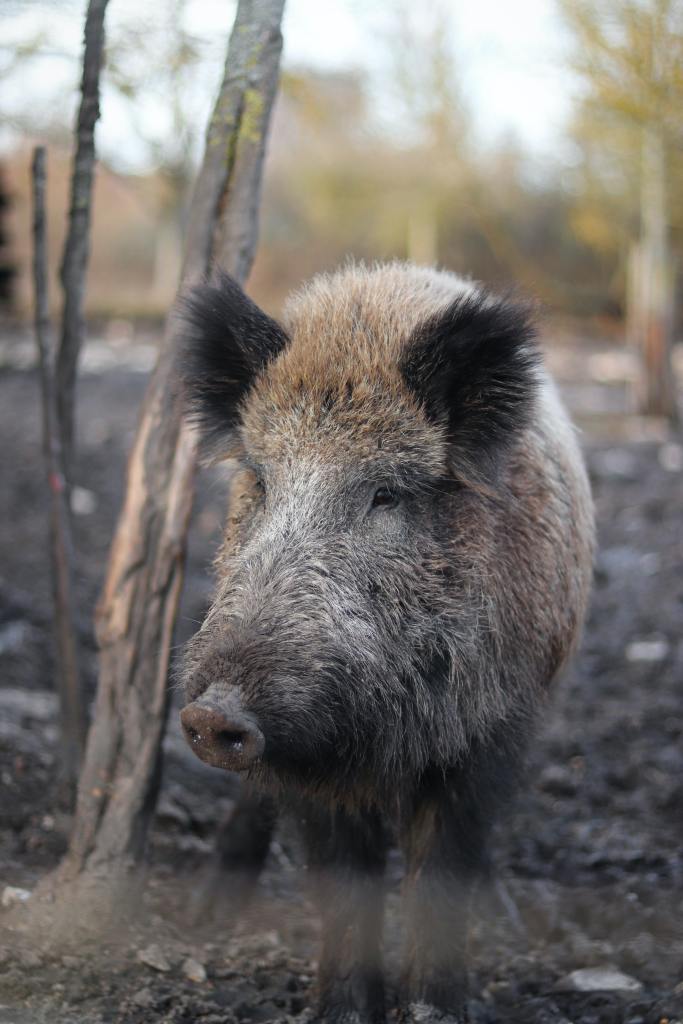
Further research, known as stable isotope analysis, gives some clues to where these animals were raised, and it wasn’t at Stonehenge. People travelling to the site might have been expected to contribute to the feast, and brought animals with them, either driving them overland, of carrying them in boats.
These pigs and cattle seem to have come from as far away as west Wales, the north of England, and even northern Scotland. Many of the pigs’ feet are charred, a sure sign of spit-roasting.
So we’re getting a picture in our minds of people gathering from all over the country, bringing their livestock, and having one serious party at mid-winter.
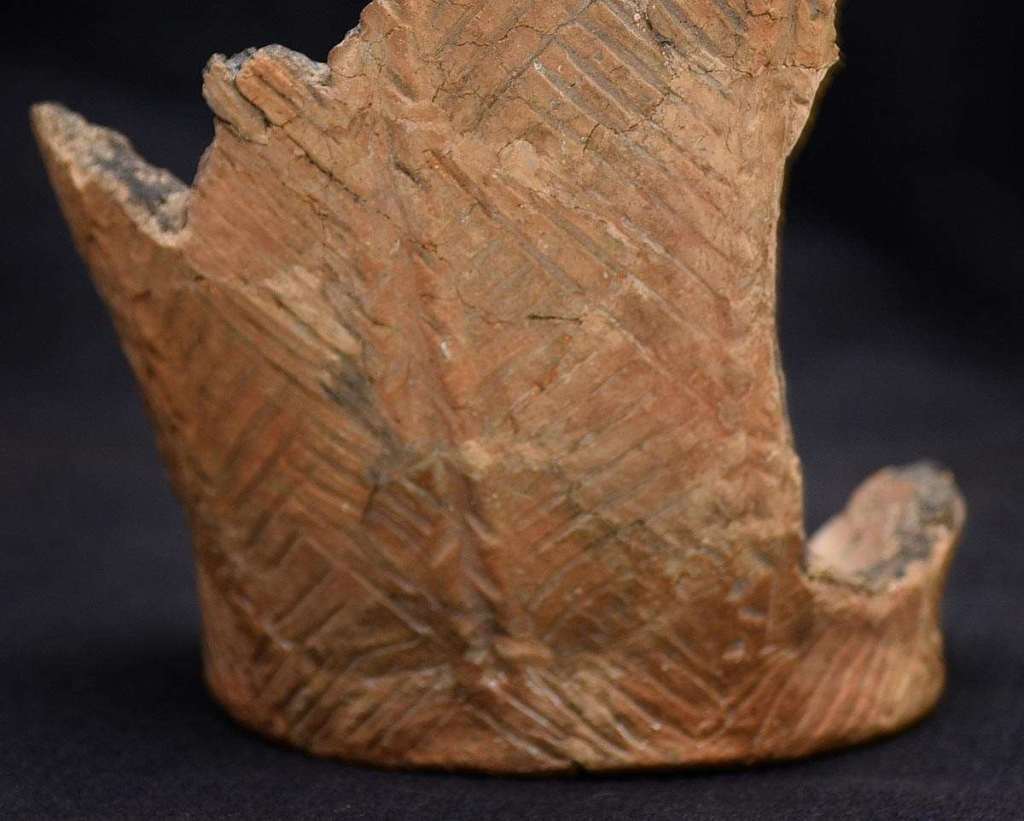
Remnants of the dominant type of pottery from the Neolithic period, a style known as Grooved Ware, have also been found at Durrington Walls, and still show traces of milk products. There is an assumption that our ancestors were lactose intolerant, so maybe these pots were used to produce cheese or yoghurt products.
So there you have it. Relatives gathering from all across the country, bringing food and gifts. The biggest feast of the year, with roast pork, beef and cheese. There would have been foraged vegetation, nuts, dried berries and perhaps the last of the stored crab-apples. Gathering around a fire at the darkest time of the year, to lift their spirits.
There is, of course, no archaeological evidence of any family feuds – but you never know!
D J Eastwood
 The Apprentice Tattoo