History in our back yards…

I love writing about ancient times. History fascinates me, but what about the more recent past? Who lived in your house before you did? Was it family, or strangers, about whom you know almost nothing? What stood on the site of your home 50 years ago… 100 years ago?

We’ve been lucky enough to find out a bit more about our house and the building that stood here previously.

The place we call home is a traditionally built house erected in 1975. It has concrete block walls and a slated roof. There are hundreds of dwellings locally made to the same design. It was built by a man native to these islands after his marriage to a lady from Canada. They married later in life, so there were no children, and after he died, his widow sold the house to us in 2005.

It’s what stood here when he acquired the land in 1975 that interests us, though.

The traditional houses on the Hebrides, until the 1920s, were ‘Black Houses’. These were constructed with low stone walls topped with wooden roof timbers, then a layer of turf and thatch. They were long buildings with a living room/kitchen, a bedroom at one end, a byre for the cattle at the other. Originally, there would have been a hearth in the middle of the room with an open peat fire. The smoke filtered up through the roof. Later, fireplaces and chimneys were added, as in the picture below, which is the house that once stood where our front garden is now.

Quite large families would have lived in these small buildings. There were ‘box beds’, a wooden affair with walls, a ceiling, and a curtain across the front to give some privacy and keep out draughts. There might have been two large beds in the bedroom and another in the living room. Children would have had to share a bed with many siblings!

It makes you wonder who the people were that lived here. We’re lucky enough to have a picture of the last residents and even some of their names. Though we don’t know what most of them did for a living, it was certain that they all worked the land here to survive. They’d have kept a few sheep, perhaps a house cow, for milk, cream and butter. They’d have grown potatoes and oats, some swedes and cabbages. They’d have fished in the bay and subsisted on a very simple diet.

The last residents we know of in the black house had two sons. One was killed in Mesopotamia in World War One. After the war, the other became a police officer, returning to serve as a police superintendent in Stornoway, our local town.

History doesn’t have to be about great kings and battles. It exists in our own backyards too.

While you’re here, why not take a look at this new promotion. Portal to Fantasy has 40 free books on offer and runs throughout September, HERE.
The High Stakes Magic promotion is still running, with over 80 free titles available HERE.
Until next time,

D J Eastwood
News from the Croft…

As some of you may know, we have a croft, or smallholding, here on the Isle of Lewis. Late summer is a busy time, with lots of harvesting taking place.

We often sit down to a meal that contains lots of home produce, and occasionally one that is totally home grown.

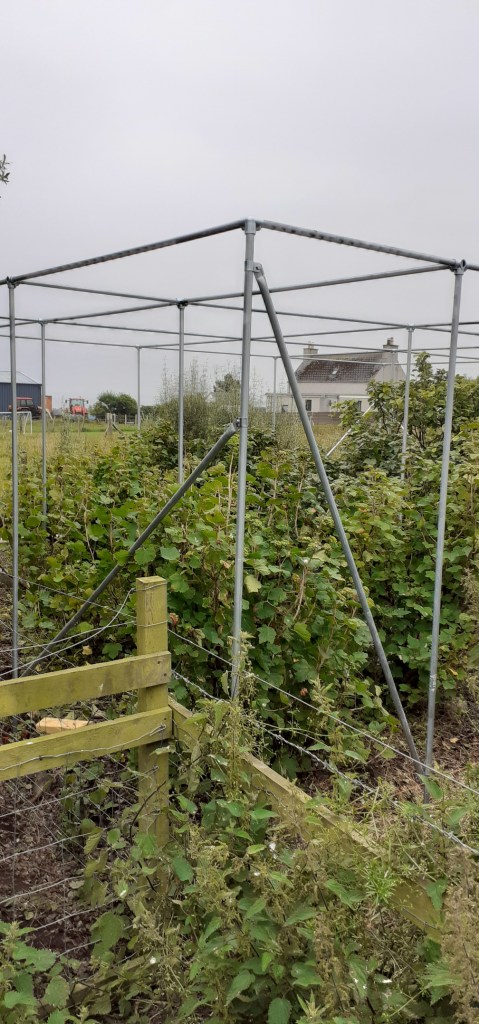
My better half and I have been busy building a new fruit cage this week to protect the soft fruit and some of the apple trees from the birds.

We got the frame up over a few days and have just covered it with netting.

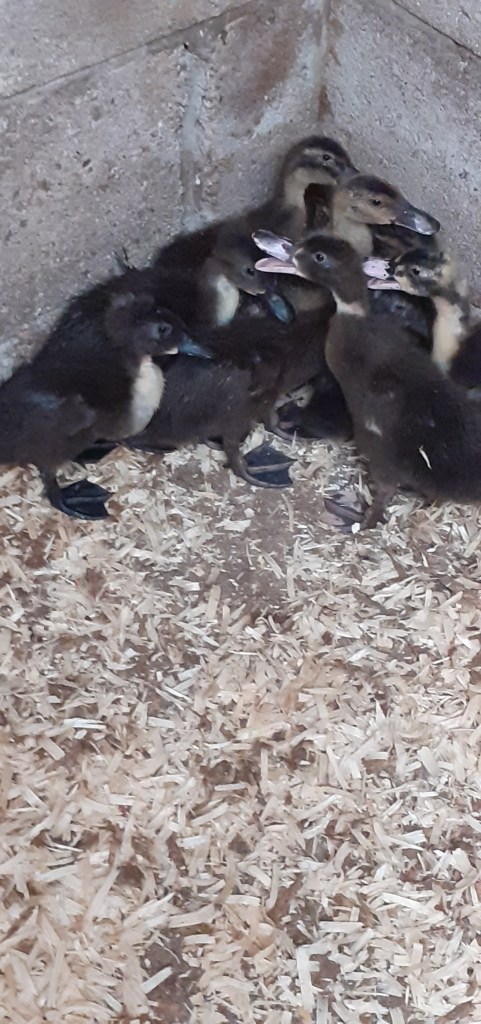
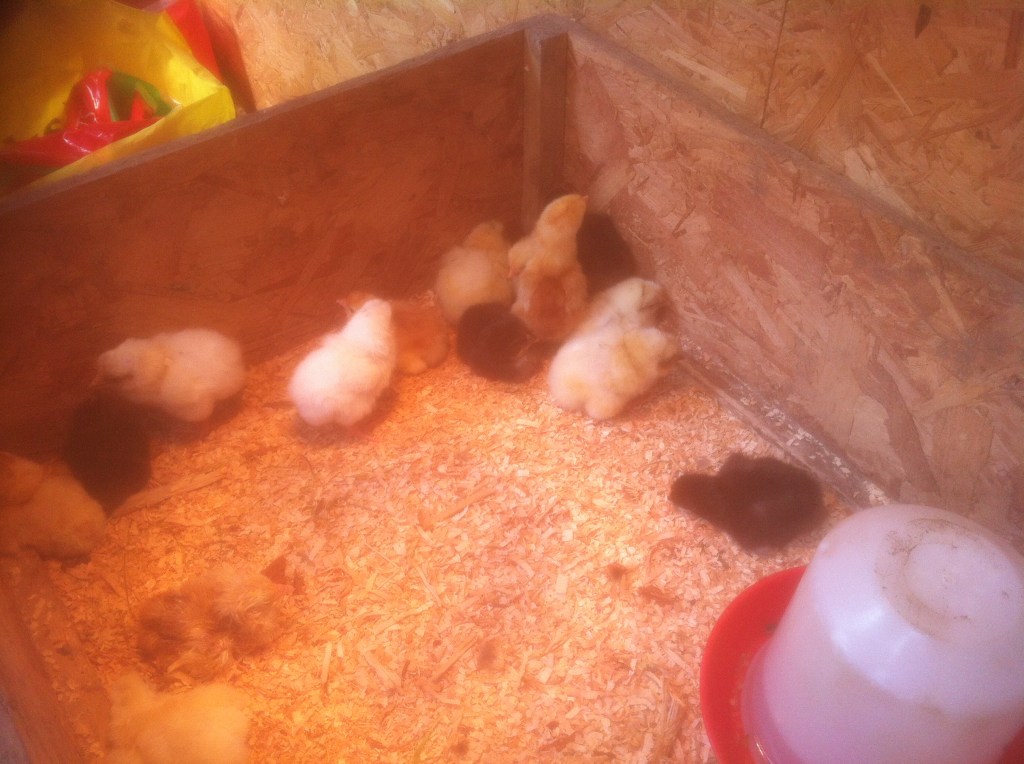
We’ve also had some of our own hens’ eggs in an incubator for the last three weeks, resulting in these little fluff balls yesterday.

Add these to the clutch of ducklings that arrive a month ago, and we’ve got lots of hungry mouths to feed!

It’s all part of the life we choose to live on Scotland’s North-West frontier.

In case you missed it, there are now four books in the Guardians of the Circles series, the two novellas, Talisman of Fire, and The Turning Stone, which many of you will have read, and the novels, The Apprentice Tattoo and Children of the Spirits. I recently launched the last one, and you can find it on Amazon.com HERE, and Amazon.co.uk HERE.

There’s a new promotion for you all this time. Over 80 free books are on offer in the High Stakes Magic giveaway, HERE.

Also, a reminder that the Magic and Adventure promotion is still running, so take a look to see if you missed any excellent reads there.

I hope you find something to your liking amongst these fantastic freebies!

D J Eastwood

Don’t push it…

With two novels and two novellas in the Guardians of the Circles series already published, I thought it was time to write the third novel… but it’s not!

Photo by Burst on Unsplash

Shilla is the eldest daughter of Col, the main character in The Apprentice Tattoo, and the younger sister of Lorev, who appears in Children of the Spirits. Book three, which is all about her, will be entitled Disc of the Sun. I even made a start on the story, giving a bit of a background to my heroine’s life, but it’s not ready to be told yet.

The other stories have flowed well, and I’ve written them in quite short order, but this one is more of a problem. It is not completely formed.

That leaves me with a quandary. Do I try to force the story out, or do I take a step back and try to write something else while my subconscious assembles the components for Shilla’s tale?

I spent an hour last night, trying to write this new book. I got about 200 words down… then deleted them.

Photo by Kim Gorga on Unsplash

So, I guess I’m looking for a new story idea to write next!

I’m not short of ideas. There is a story about a Selkie, a tale of love and loss about a psychic medium, a vampire tale with a very different twist, and the story of a man falsely accused of child abuse. There’s a lot to choose from. Which one will come to me first? We’ll have to wait and see…

While you’re here, take a look at this new offer. Over 70 FREE titles in the Magic & Adventure promotion. Take a look HERE.

Also, you can still find the Historical Fiction promo from last time HERE.

Until next time

D J Eastwood

A visit to Callanish Stones…

I took a trip to the stone circle at Callanish this week with family and spent some time looking more closely at the stones. The stones seem to have many alignments with various stages of the moon’s movements, and the circle itself comprises 13 stones, one for each moon cycle in the year.

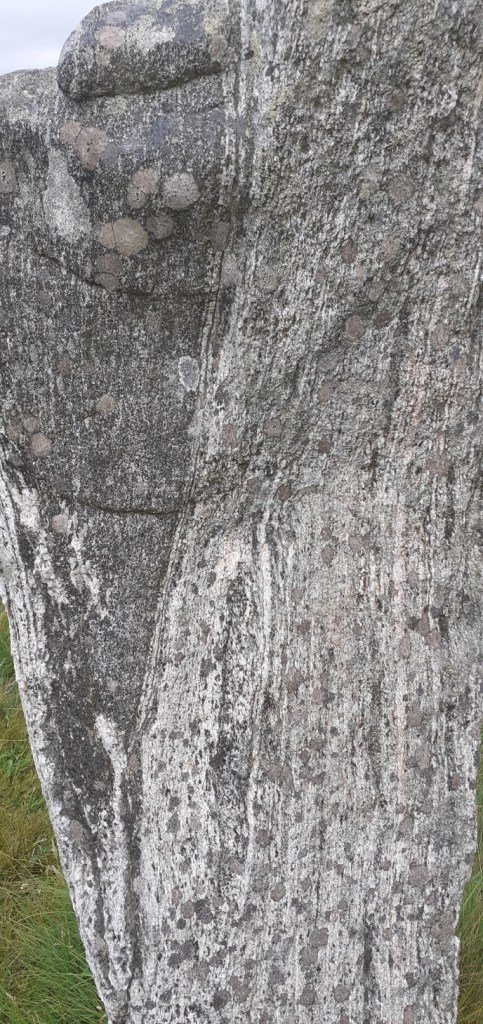
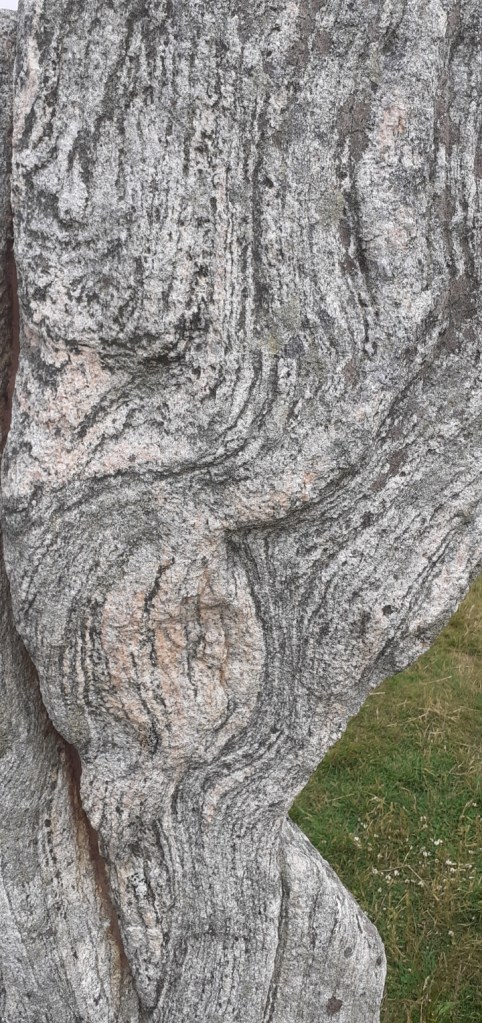
Each individual rock is different. Some larger, some smaller. Some regular shaped and some quite rough. It made me wonder if the individual stones had meaning for those that built them.

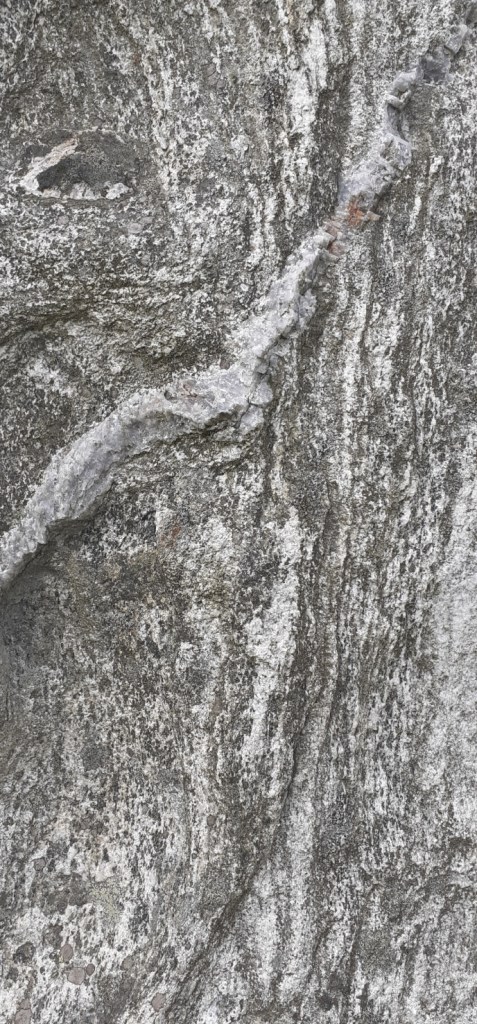
Veins of quartz in Lewisian Gneiss.

The rock from which they are formed is Lewisian Gneiss, one of the oldest rock types on the planet. It does not always split along straight lines but has a pronounced ‘grain’ to it, like wood. No doubt from the cooling of the molten lava that formed it.

It made me wonder if the Neolithic peoples chose particular stones for each station around the site. Gneiss often has inclusions of crystal in it. Still, the predominance of crystalline inclusions in the megaliths here seems to be higher than you might expect. Maybe stones with crystals were seen to be more powerful, somehow?

We have no way of knowing, 4,500 years later, what the builders of this impressive monument believed, but it’s nice to think that there must have been some sort of plan that led them to place each stone where they did. Even if only for aesthetic reasons.

D J Eastwood

There’s a new promotion for you this time. Journey to the past with Historical Fiction has over 20 titles to choose from, so take a look.

Free Fantasy Books for July is still running, so if you’re looking for a new fantasy read, click on the image.

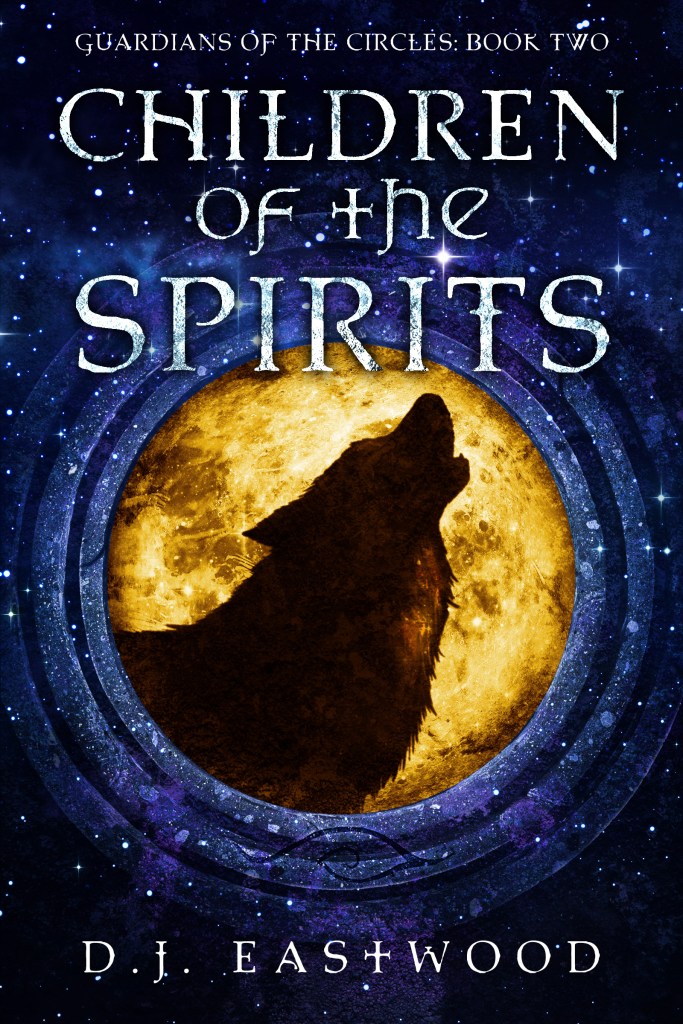
“Avenge my death, lay my bones to rest, or you will never be worthy.”

When Lorev is woken by his little sister, it troubles him, for Verra has been dead for seven years.

He sets out to lay her bones to rest and avenge her death. But the powerful talismans he has been gifted turn out to be stolen, and Lorev must return them to their rightful owners before Verra can cross the death river and join her ancestors.

His journey takes him north to the Isle of Pigs, where a war with a neighbouring tribe has raged for thirty years.

Can Lorev return the amulets, bring peace to the islands, and set his sister’s spirit free?

I’m excited to announce that Children of the Spirits, book 2 of the Guardians of the Circles series, is published today.

The story follows the exploits of Lorev as he leaves his Clan to avenge the death of his little sister many years before. He tries to become the man his parents wish him to be but seems to fail at every turn. How will he ever find a place where he feels he belongs?

Children of the Spirits is a fast-paced story set in Neolithic Britain. It’s available now from Amazon in ebook and paperback formats and for free if you are a Kindle Unlimited subscriber.

Get your copy HERE.

D J Eastwood

There’s a new promotion for you this week too. The Free Fantasy Books throughout July promo has over 100 FREE books for you to choose from. Take a look HERE.

The Free Fantasy Reads promo is still running too. More than 40 stories to choose from HERE.

A special offer for you…

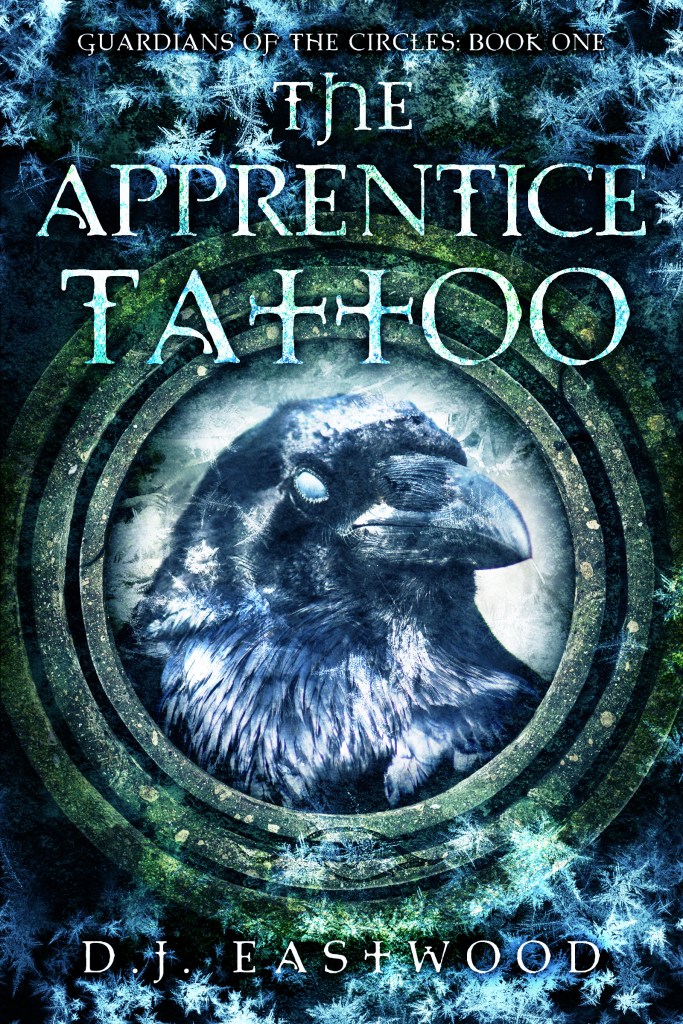
In a world of flint tools and thatched roundhouses, sixteen-year-old Col studies with the clan’s shaman, Albyn, talking to the ancestors, mediating with the spirits.

But this year, the summer has failed to arrive, and the barley crop is rotting in the fields. The blame falls on Talla, a mysterious visitor with milk-white skin, and the clan chief threatens to sacrifice her to appease the spirits.

If Col and Talla stay, she will die.

In the dark of night, Albyn tattoos the sacred marks of a spirit apprentice onto each of their faces. He sends them on a journey south, for the ancestors have decreed that they must face the spirits of earth, air, water, and fire to restore the balance of their world.

A special offer!

So, just two weeks from now, I’ll be launching the second novel in the Guardians of the Circles series, Children of the Spirits. I know many of you have read the two prequels to the series, Talisman of Fire and The Turning Stone, and some of you have read the first novel, The Apprentice Tattoo.

But… Just in case you missed it, I’m running a special offer on The Apprentice Tattoo for just this week. Until next Friday, 25th June, you can pick up a copy of the exciting first-in-series for just £0.99/$0.99!

Follow this link to buy at Amazon.com

or this one to buy at Amazon.co.uk

Feel free to share these links with friends and family that you think might enjoy some Neolithic Fantasy too.

I’ll be sharing details about the launch of book two over the next fortnight, so keep an eye on your inbox.

I’ve got some other offers for you this week as well.

There are over 40 Free Fantasy Reads available here…

… and the promo for Free Fantasy Books for June is still running too!

Take a look.

Until next time,

D J Eastwood
Self-Sufficiency…

I rarely talk about our own lives here on the Isle of Lewis, but I was prompted to write this as we reorganise ourselves for the coming year.

We moved here in 2005, intending to provide as much of our own food as possible. We travelled the length of Britain with our tools and seeds, plants and a dozen hens. Within a few weeks, we had a half-dozen sheep and, soon after, our first two goats.

We dug and fenced a garden, built a poly-tunnel and a greenhouse, and started a bed & breakfast to help support it all.

Looking back over the years since our arrival, it’s interesting to see all the things we’ve tried to do. We have kept cattle on two separate occasions, even having a milking cow for a short while, but in the end, they were too large for us to handle on our 5 acres (2 hectares). Sheep were never my idea of ideal livestock, and I never got good at shearing their wool off. We enjoyed producing our own meat and selling surpluses but finally stopped keeping them a few years back.

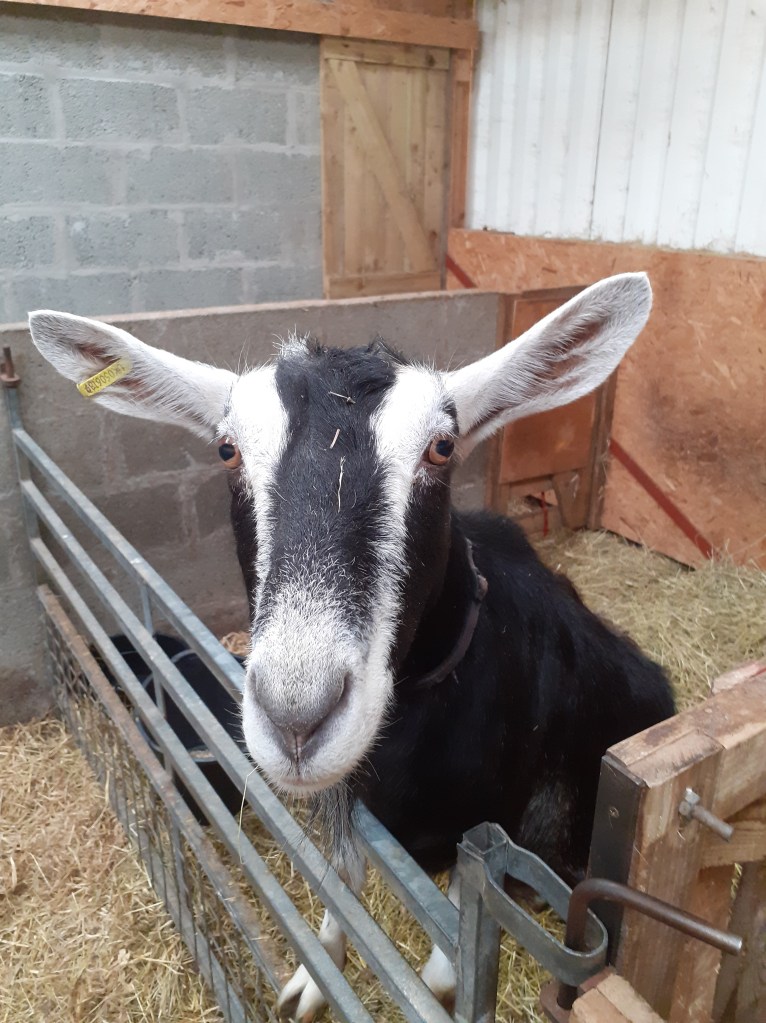
Apart from hens, which have always been profitable, our biggest success over the years has been our goats. We have kept milking nannies almost the entire time we have been here, even moving into professional cheese-making for four years. Though the goats’ cheese was very popular, we could never make enough profit to justify the work involved.

The past year, with the emergence of the COVID-19 virus, brought the most significant changes. With no income from the B&B for over 18 months, we decided to sell our last goats. They had become expensive pets, and we no longer had the income to feed them. They all found new homes on the island, and we were delighted that the two females had kids this spring. We continue to produce and sell eggs from our hens and ducks, and our garden and protected planting are providing more of our food each year. We grow brassicas and root veg, peas, beans and potatoes, salads, onions and tomatoes. Our fruit garden gives us strawberries, gooseberries, red and blackcurrants, apples, and even grapes. Every meal we make contains some of our own produce. Sometimes it’s only the garlic or the onions; sometimes, it’s everything on the plate.

We started a tiny woodland some years back, rabbit fencing an area, then planting fast-growing willows around it as a windbreak. It has mature trees including Whitebeam, Ash, Hawthorn, Alder, Bird-cherry, Elder, Holly and Hazel. I built a garden bench a few weeks ago, and now we can sit in our little forest and listen to the birds singing.

As we grow older, we try to work smarter, not harder. We still produce duck and chicken meat, eggs, vegetables, salads and fruit. Some things turned out to be worth doing, some didn’t, but we seem to produce and enjoy our own food as we had first planned all those years ago.

D J Eastwood.

While you’re here, there’s a new promotion just started for June. Free Fantasy Books runs for the entire month, and there are 50 free titles to choose from.

The Fantasy and Science Fiction Giveaway I told you about last time is still running until the 15th of June. Over 80 titles to browse. Why not take a look?

The Wood Age…

The stone age. It invokes a picture of primitive humans hitting things with rocks. In fact, the term ‘stone age’ covers a period of about 3 million years!

The Palaeolithic, or old stone age, began when hominids first picked up stones to use as tools. First, they would have been for breaking things; then, jagged edges would have been used as blades for knives or crude axes.

There’s a problem, though. Defining these vast chunks of our species’ history with such simple terms is misleading.

From 3 million years ago, our ancestors used stone tools, but their societies evolved over time. Stone only defined the material they used as tools in the same way we call other periods the bronze age or the iron age. Most of their lives were nothing to do with stone at all.

The bulk of Neolithic homes, based on archaeological finds, were constructed from wood and thatched with straw or reeds. Their furniture would have been made of timber, as might their plates and spoons. Wood, leather, fabric and plant fibres would have been far more important to our ancestors. They simply used stone to work them. The biggest problem is that these other materials are perishable.

Whereas we can find stone axes, knives and arrowheads, the wooden, leather and cloth artefacts are long gone. There are clues as to the skills of these ancient humans, though. Finds in Denmark and Scotland have shown us how the stone age peoples would have worked wood. The handles of axes, thrown into a bog or the sea, as ritual offerings, have been found. Each one beautifully carved to fulfil its purpose. A complete house door was discovered in Switzerland, crafted by the home builder 6,000 years ago.

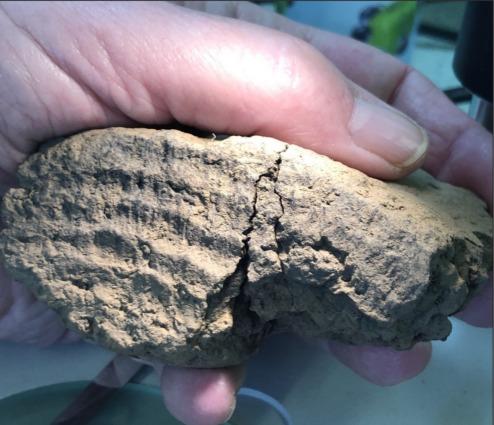
There is evidence of fabric too. Though a piece of cloth could never survive the thousands of years that separate us from them, a textile imprint on a clay pot was found at Ness of Brodgar in the Orkney Islands. It seems the potter reached inside the pot during its manufacture, leaving the imprint of his or her sleeve in the wet clay, preserved for 5,000 years for us to find.

But what of us? What defines our ‘age’? Would you call this time the technological age or the computer age? Computers and machines control most of our daily lives now. We can barely function without clocks and cars, smartphones and electricity.

We look back at our ancestors and think their society was strange and exotic. Yet, they have over 3 million years of history for their ways, and we have barely a few hundred.

Perhaps we are the strange ones!

While you’re here, why not take a look at this week’s free offers? There are over 80 titles in this Fantasy & Science Fiction giveaway.

Also, see if you missed anything from the Literary Fiction E-book Giveaway I told you about in my last newsletter. It’s still running for a short while yet.

Over land and sea…

The recent discovery of a log boat in the waters of the Boyne River in Ireland prompted me to investigate the likely sailing vessels of the Neolithic.

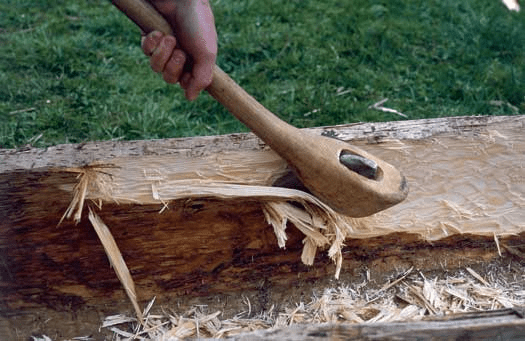
The boat, found near Drogheda, on the east coast of Ireland, was newer, between the bronze age and the middle ages. Still, the design of these ‘dugout’ boats had not significantly changed for thousands of years. Take a large section of a tree trunk, shape the outside to the hull profile you need, then spend hours painstakingly chopping out the centre with a stone axe or adze.

The boat you’re left with is long and narrow, with pretty poor stability, but it floats. In calm seas or inland waterways, it’s an excellent method of getting about.

The island I call home has some pretty inaccessible places. A section of the island called South Lochs was hard to reach before the building of paved roads, even though it was pretty close to the principal town of Stornoway. The residents would take a rowing boat for their journeys to the town rather than face the endless slog across rough moorland.

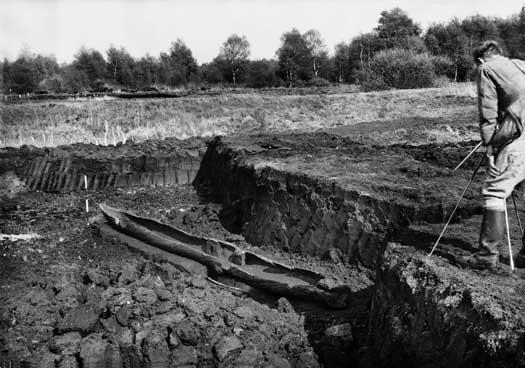
There is more evidence of early boatbuilding found at Broksø, Denmark. Peat digging uncovered a 3.8-metre long canoe, preserved in the bog for around 5,000 years. It’s made from an oak log, though other discoveries have revealed the use of alder and lime wood for boats too.

There were other options, of course. Boats can also be built from a woven wooden frame, covered in animal skins, and sealed with fat. This means a greater choice in the hull’s shape. There are traditional Irish boats, known as currachs, that were made this way.

Putting to sea in these must have been a hit and miss experience. Yet, we know our ancient ancestors travelled this way by the apparent trail of a trade route up the west coast of Britain. Flint tools from Grimes Graves, where up to 18,000 tonnes of flint were extracted in the Neolithic period, have been found throughout Britain. These were traded and must have been transported by boat to many of the archaeological sites where they were recovered.

Today, I think most of us would think long and hard about taking to the sea in a rowboat to trade with our neighbours. Maybe our ancient ancestors were braver than we believe.

While you’re here, take a look at this new promotion, a literary fiction e-book giveaway, available HERE.

Until next time…

D J Eastwood

The Tomb of the Eagles…

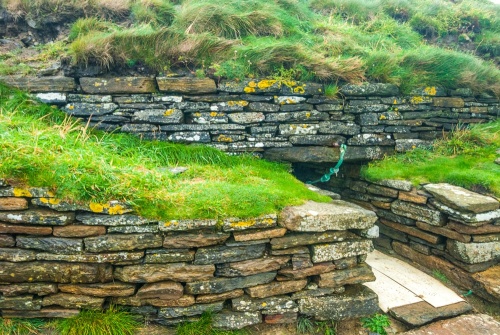
The year is 1958, and Ronnie Simison is working on his farm on South Ronaldsay, in the Orkney Isles of Scotland. There is a mound close to the cliff edge, and Ronnie notices some horizontal stones poking out from it. Taking a spade, he digs down, finding a wall. Close to its base, he finds a mace head, three stone axes, a black ‘button’, and a small chert knife.
Photo www.BritainExpress.com

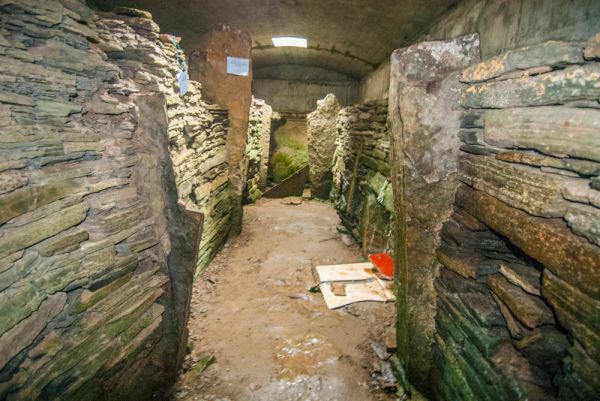
He uncovers a lintel and realises this is some kind of structure. It’s not long before he’s revealed a small entrance leading to a low tunnel. Crawling inside, lit only by his cigarette lighter, Ronnie finds himself staring at around thirty human skulls!

Of course, he closed up the site, reported it to the authorities, and waited for some form of official archaeology to take place. And he waited…

Photo www.BritainExpress.com

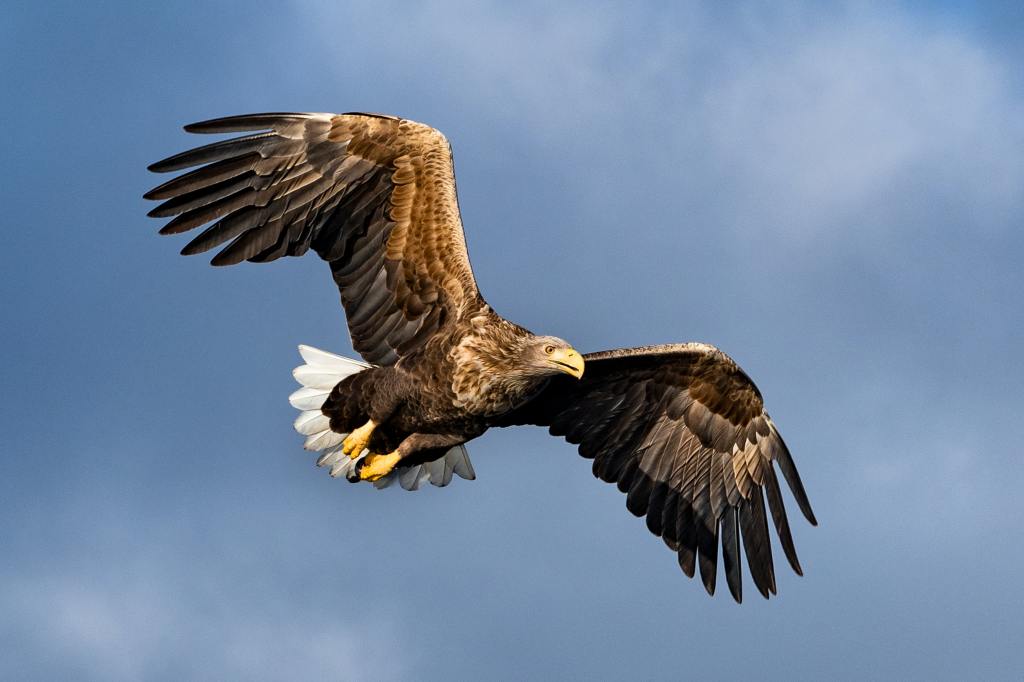
Twenty years later, and with no word of any official interest, Ronnie finally opened up the tomb again himself. What he found within was amazing. Skulls lined the walls and, when the excavation was complete, there were 16,000 bones, the remains of at least 342 individuals. Strangely, in amongst them were the remains of over 14 white-tailed sea eagles.

What was so special about the sea eagle? Was it an animal sacred to the tribe that inhabited the area? Were the birds interred with their chiefs or their shamans?

Photo Dorothea Oldani at Unsplash

Outside, the tomb was no less interesting. Around the door were the remains of many sacrificial animals, mainly calves. They appeared to have been brought to the tomb, slaughtered, then dismembered. They had left the meat lying at the door, perhaps as an offering to the dead or the ancestors. Perhaps as a meal for the sea eagles!

Opposite the entrance was a pile of pottery. Large numbers of these earthenware vessels had been brought to the tomb, then deliberately smashed.

It may spoil the effect slightly when we later discover, through radiocarbon dating in 2006, that the eagle bones were not interred with the human occupants. They were buried in the tomb between 500 and 1,000 years later, at the very end of the Neolithic period. Sad as that is, it shows that the tomb had ceremonial importance to people living on the island for over 1,000 years. Think about that in modern-day terms, and you’ll find that 500 years ago was the reign of Henry VIII in Britain. 1,000 years ago was the reign of the last Anglo-Saxon king Harold II, destined to die at the Battle of Hastings in 1066.

It makes you wonder how much more ancient history is waiting to be discovered by one person with a spade…

While you’re here, take a look at this new book promotion. More than 40 books in the First in Epic Series category for you to browse through… and all free!

See first in Epic Series HERE!

A Bright Cold Day in April is still running too. Check it out here!

See A Bright Cold Day in April HERE!

Until next time.

D J Eastwood