While I’ve been writing Guardians of the Circles, my Neolithic Historical Fantasy series, I’ve had to do a lot of research. The one thing I’ve noticed most is the number of plants, trees, and animals that I take for granted as British… but they’re not!
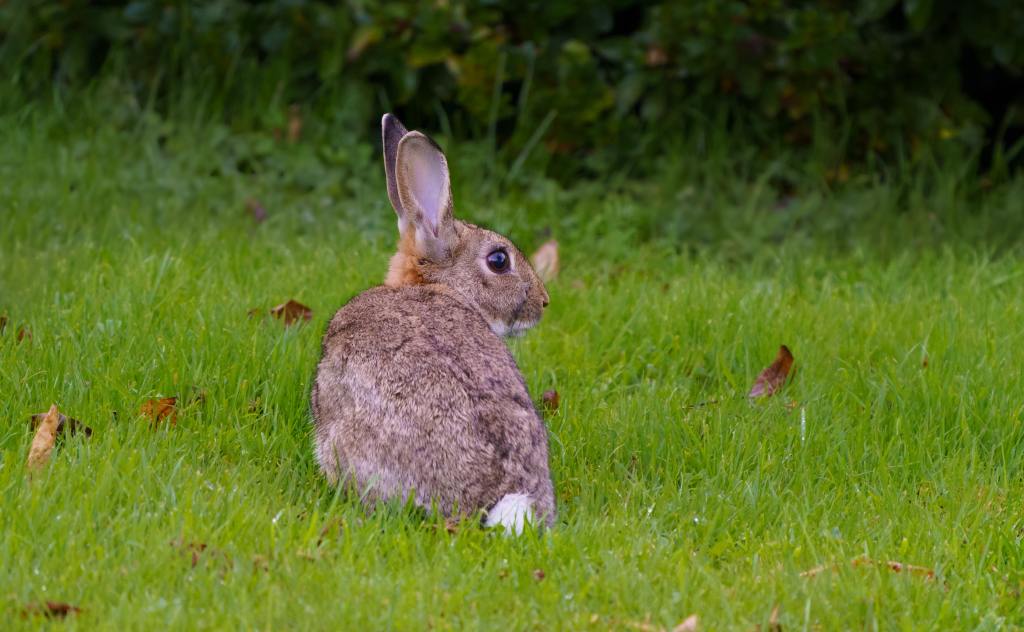
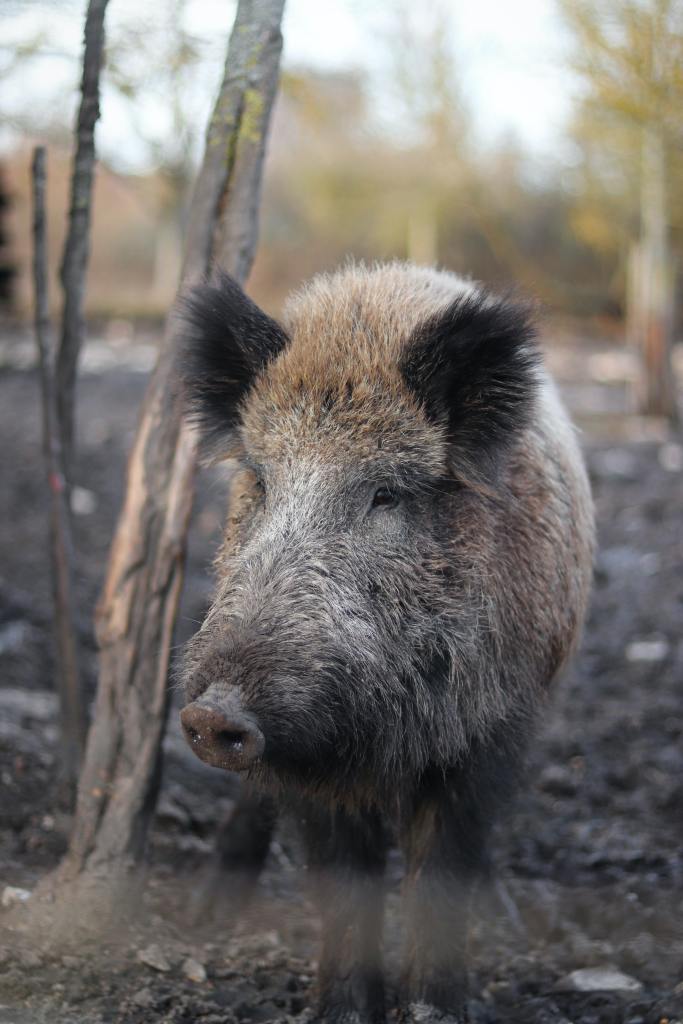
Photo by Amee Fairbank-Brown on Unsplash
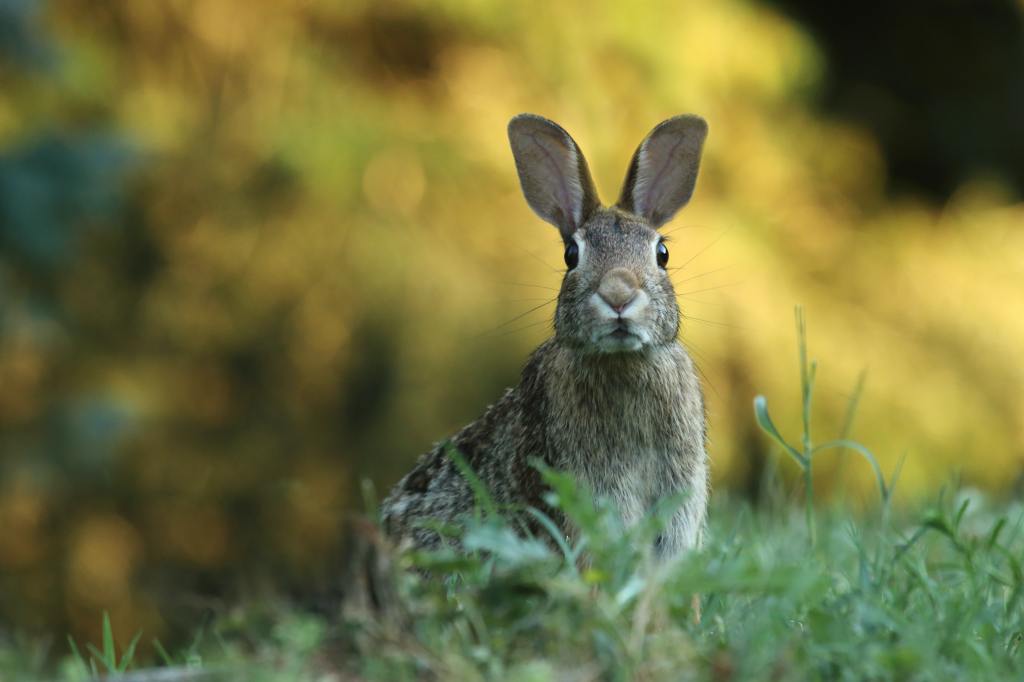
The most obvious one is the Rabbit. Is it British? No. The Romans may have kept them as pets, but they were introduced from Spain and France in the 11th or 12th century. The nearest native species we have is the Brown Hare, which is now relatively rare in the UK.
Other historic arrivals are the Fallow Deer, brought from mainland Europe by the Normans, and the Grey Squirrel, which was introduced in the 19th century from America.
We’ve lost a lot of species throughout history, too.
The Eurasian Lynx was once common here, as were the Brown Bear and the Elk. The last known wolf in Britain was shot in Scotland in 1743, though there have been some suggestions of reintroducing them.
We take Chestnut trees for granted here, yet they arrived with the Romans, and Horse Chestnut was not planted here until the 16th century.
Other plants have become a nuisance. Wherever you are in the world, I’m sure you may have come across Japanese Knotweed, an invasive plant that can take over extensive areas of ground very fast.
Even here, on the Isle of Lewis, sitting on the edge of the Atlantic and 50 miles from mainland Scotland, we have our invaders. Though the Hedgehog is native to the UK, they do not belong on these islands. They were brought in by folks wanting them to eat the slugs and insects in their gardens, but they like birds eggs too. Not a problem when the birds nest in trees, but most of our birds are ground-nesting because of a lack of trees!
Another thing that is becoming a common sight here is Gunnera Manicata.
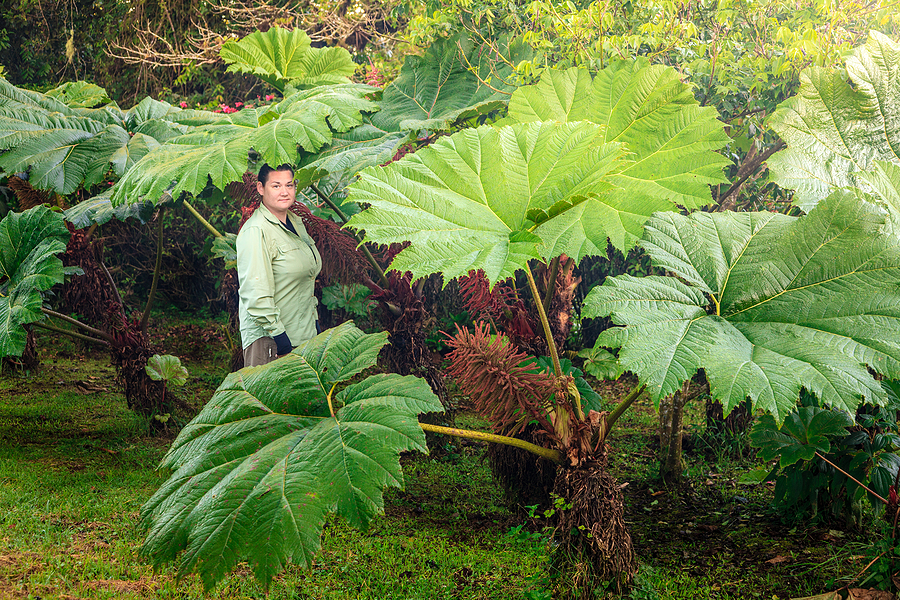
This plant looks like some kind of giant, aggressive rhubarb. The stems are spiky and can grow to over 2 metres tall, with huge leaves at the top. Birds spread the seeds and, although they were not introduced here until the mid-1800s, they are popping up everywhere. We had one that set itself behind our barn, and it took me over an hour to dig out!
Right, I’m off to shut the chickens in for the night. (They came, originally, from tropical south-east Asia.)
Oh! Before you go, I have some news for you. A new virtual Book Fair entitled “A bright, cold day in April” is available. Lots of titles to choose from, all free. Take a look HERE!
D J Eastwood







 The Apprentice Tattoo
