I was thinking today about what our stone-age ancestors might have expected of life.
The levels of infant mortality must have been high, by our standards. How many children might one couple lose in their lifetime?
Childbirth would be a difficult time for women, too. Loss of blood and infections may have carried a lot of women off in their prime.
If you survived childhood, you might have expected to reach a good age… perhaps forty or fifty. Imagine knowing at the grand old age of twenty-five, that more than half of your life had gone.
People who in our time are not long out of university would be middle-aged!
Given that short lifespan, might they have ‘married’ young? What would we consider young? In parts of the USA, with consent, you can still marry at 15 years.
Hard work, and poor living conditions, seem to have led to many ‘old people’ having advanced arthritis upon their death (at 40).
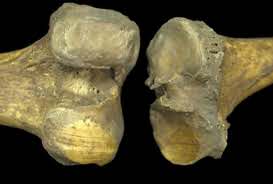
The people of the Neolithic seemed to have a strong link to their ancestors. Bones were curated over long periods, and body parts, or even entire bodies, were sometimes interred under the floors of houses.
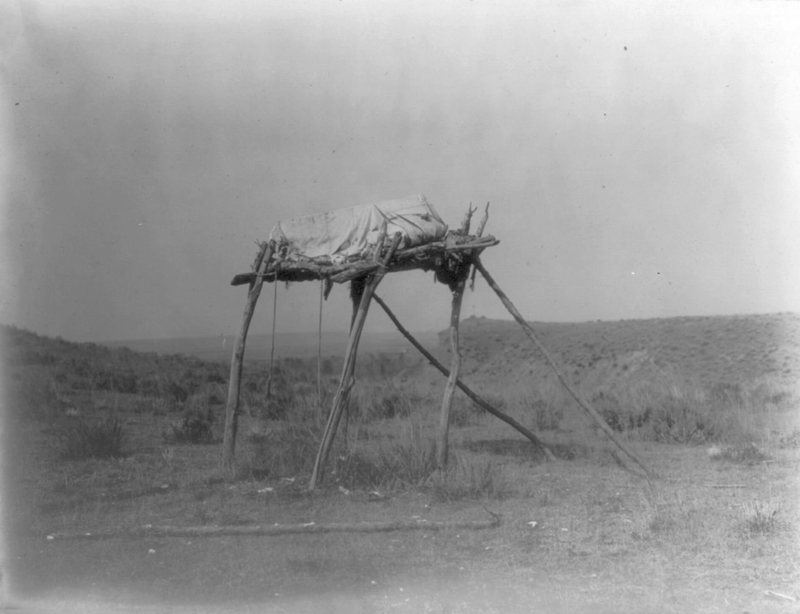
Other funereal practices included Sky Burial. The exposure of a body to the air, to be stripped of flesh by birds before interment in a tomb. This is a widespread practice, used by some Native American Plains tribes, Tibetans, and Zoroastrians even today.
The people of the Neolithic would have been sparsely scattered across the land too. The total population of Britain was only 250,000 people, so settlements might be spaced a long way apart. There is no evidence of our stone-age ancestors using horses, so they’d have walked the long distances to visit other clans or tribes.
Though the Neolithic seems to have been a peaceful time in Britain, there must have been separate tribes or clans. How would they have told each other apart? Styles of dress? Hairstyles? Tattoos or piercings?
I’d love to go back, just for a day or two, to see what their lives were really like… but I wouldn’t want to stay too long!
D J Eastwood.
 The Apprentice Tattoo
